


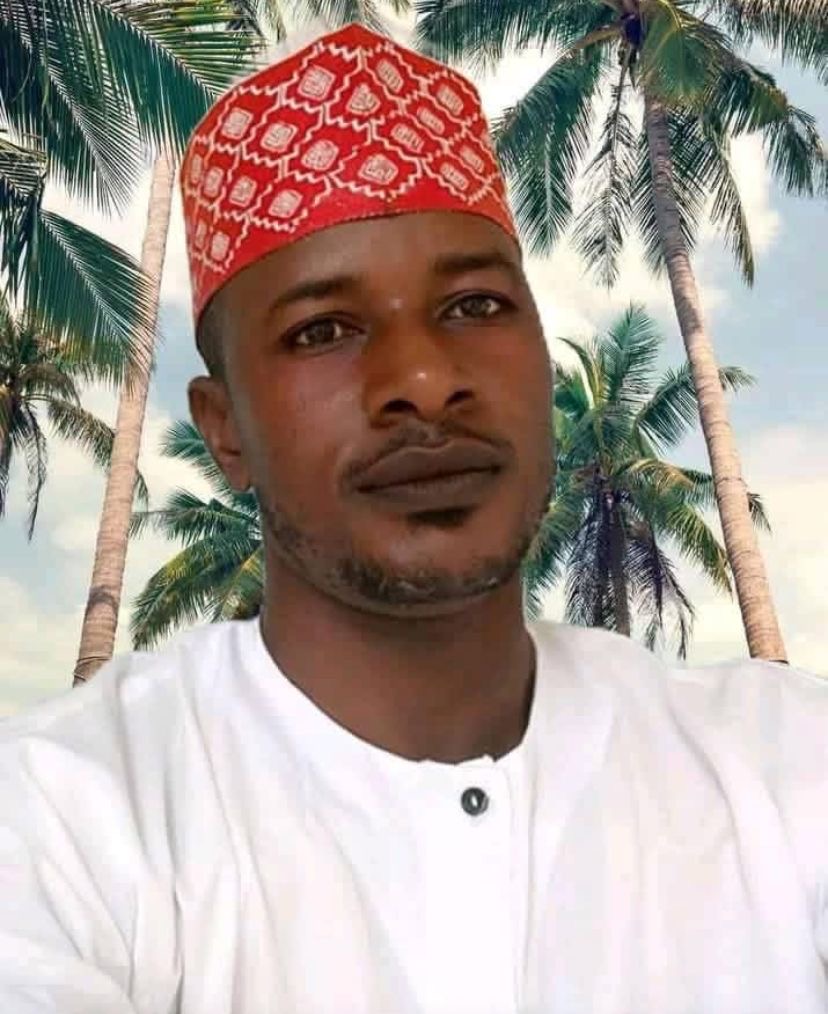
Hon. Idris Taruwere Buko has officially declared his intention to contest for a seat in the Kwara State House of Assembly, representing the people of Ilesha/Gwanara constituency in Baruten Local Government Area.
Buko, who hails from the community of Sinawu, made his declaration at a gathering attended by community leaders, youth groups, and supporters. He said his decision was driven by a desire to bring practical leadership and grassroots development to the constituency.
A teacher, lecturer, and farmer, Buko described himself as someone who understands the struggles and aspirations of ordinary people. With years of experience in both the education and agricultural sectors, he said he has seen firsthand the challenges faced by rural communities, from poor access to quality education to limited support for local farmers.
“I am not entering politics for personal gain,” he told the gathering. “I am doing this because our people deserve a voice that truly understands their realities — a leader who will work with sincerity, not promises that fade after elections.”
He pledged to prioritize policies that improve education, boost agricultural productivity, and empower young people through skill development and entrepreneurship. Buko also promised to advocate for better rural infrastructure, including roads, healthcare, and water supply.
Community members who attended the event praised his humility, describing him as a grassroots leader with a record of service. Many highlighted his reputation as a dedicated teacher and community mobilizer who has contributed to youth mentoring and local development projects over the years.
Buko’s entry into the race adds momentum to the growing political activity in Baruten Local Government as the next election cycle approaches. Observers believe his blend of professional experience and strong community ties could make him a formidable contender for the seat.
If elected, he said, his vision is to make Ilesha/Gwanara a model constituency for inclusive and sustainable development — one where education, agriculture, and youth empowerment serve as the pillars of progress.


